Understanding the Benefits of Educational Coloring
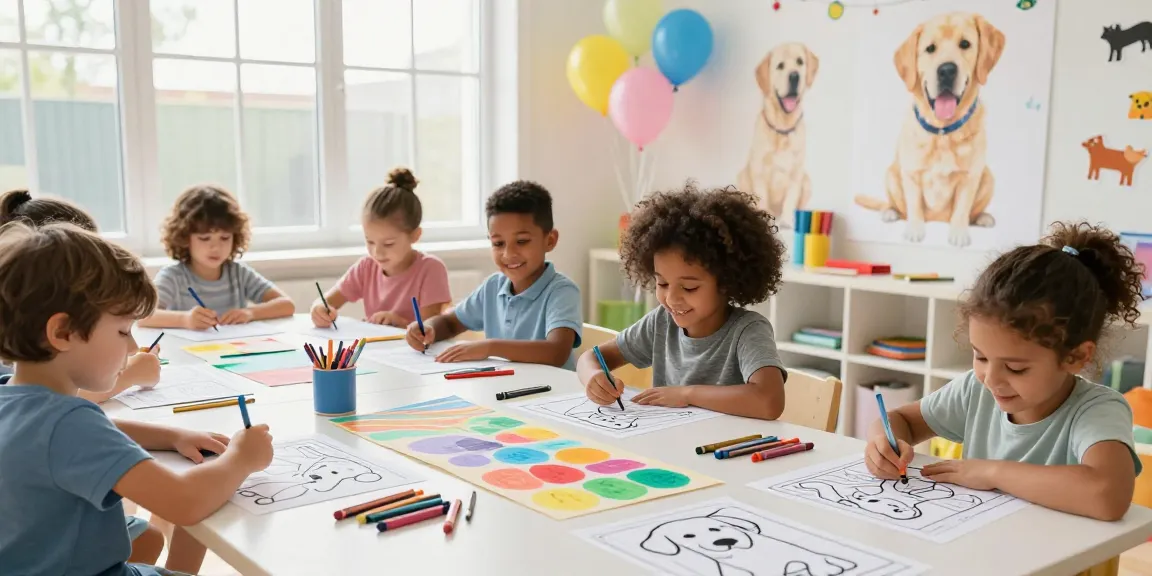
Coloring is more than just an enjoyable pastime; it serves as an innovative educational tool that fosters creativity, boosts cognitive functions, and promotes emotional well-being. When exploring options, Educational coloring has become a popular avenue, particularly for children. By using coloring pages that feature beloved animals, such as Labrador Retrievers, children can engage with art while simultaneously learning valuable facts about these friendly companions.
What is Educational Coloring?
Educational coloring refers to coloring activities designed to enhance learning experiences. These activities typically encourage creativity and reinforce knowledge across various subjects, including art, science, and even emotional intelligence. In the context of animal-themed pages, such as those depicting Labrador Retrievers, children not only practice their fine motor skills but also absorb information about the characteristics and behaviors of these dogs.
Emotional and Cognitive Gains from Coloring
Coloring offers numerous emotional and cognitive benefits, particularly for children. Engaging in this activity can help calm anxiety, enabling children to express themselves creatively and gain confidence in their abilities. Cognitive gains include improving concentration, memory, and problem-solving skills. By selecting colors and imagining scenes, children learn to make decisions and think critically about their choices.
How Coloring Enhances Learning
Incorporating coloring into educational practices can transform standard learning into an interactive experience. For instance, a coloring page featuring a lively Labrador Retriever balancing a ball on its nose can stimulate discussions on canine agility and training techniques. As children color, they can recount facts about the breed, such as its friendly nature and suitability as a family pet, helping to solidify their understanding through engaging narratives.
What Makes Labrador Retrievers Special?
Labrador Retrievers are renowned for their friendly demeanor, intelligence, and versatility. These dogs excel not only as family pets but also perform various roles, from service animals to therapy dogs. Their affectionate nature makes them a beloved choice for families, and this popularity is reflected in coloring pages that capture their playful spirit.
Characteristics of Labrador Retrievers
Labradors are distinguished by their large, expressive eyes and a coat that comes in three primary colors: black, yellow, and chocolate. They possess a robust, muscular build and are known for their exuberant energy and playful disposition. Their loyalty and gentle temperament make them excellent companions for children, creating lasting bonds that are foundational to a nurturing family environment.
Common Activities Labs Enjoy
These energetic dogs thrive on play and physical activity. Common activities include:
- Swimming: Labs are natural swimmers and often enjoy splashing around in pools or lakes.
- Fetching: Known for their retrieval instincts, they love playing fetch with balls and frisbees.
- Training: They excel in training due to their intelligence and eagerness to please.
- Socializing: Labs are sociable creatures that enjoy spending time with people and other animals.
Why Labs Make Great Family Pets
One of the primary reasons families choose Labradors is their friendly disposition. Labs are patient and gentle, making them great companions for children. They possess a unique blend of energy and calm, adapting to different family activities and environments. Their loyalty ensures they are loving protectors, and their playful nature keeps the whole family entertained.
Choosing the Right Colors for Labrador Retrievers
When coloring pages featuring Labrador Retrievers, selecting the right colors enhances the authenticity and enjoyment of the experience. Understanding the traditional colors of Labradors can help children grasp concepts of realism while still encouraging imaginative expression.
Traditional Labrador Colors: Black, Yellow, Chocolate
Labrador Retrievers come in three official colors:
- Black: A deep, shiny black coat. Use pure black or dark gray crayons.
- Yellow: This can vary from light cream to golden shades. Ideal colors include yellow, tan, or light brown.
- Chocolate: Rich brown hues that range from light to dark brown. Medium to dark brown crayons work best.
Creative Approaches: Making Unique Color Choices
Coloring is a canvas for creativity, and children are encouraged to think outside the box. While traditional colors are fun to use, allow children to experiment with unconventional shades. For example, a pink or blue Labrador can represent their imaginative spirit, embracing the idea that art is subjective and personal.
Coloring Tips for Realism and Fun
To make the coloring experience enjoyable, consider these tips:
- Utilize various shades to create depth and dimension in the coat.
- Incorporate background elements that complement the Labrador, such as parks or beaches.
- Encourage the use of textures by layering colors.
- Remind children that imperfections are part of the artistic process!
Types of Printable Labrador Retriever Coloring Pages
Accessing a variety of coloring pages can cater to different interests and skill levels. Picoloring offers a diverse selection, ensuring that everyone can find a page that resonates with them.
Realistic vs. Cartoon Labrador Pages
Coloring pages come in diverse styles—from realistic portrayals that mimic photographs to whimsical cartoon designs. Realistic pages allow for a more educational coloring experience, while cartoon options appeal to younger children, fostering creativity without the constraints of realistic representation.
Ages and Skill Levels: Suitable Coloring Options
Different pages cater to various age groups and skills:
- Younger Children: Simple outlines that are easy to fill in.
- Older Kids: More intricate designs that challenge fine motor skills and creativity.
- All Ages: Themed pages for events or seasonal changes, making coloring a family activity.
Themed Pages for Special Occasions
Themed pages provide an opportunity to celebrate different events, from birthdays to holidays. A coloring page featuring a Labrador wearing a party hat can make any birthday celebration more interactive, engaging children in the festive spirit.
Incorporating Learning with Coloring Activities
Coloring can serve as a gateway to further learning about Labrador Retrievers and animal care. By integrating educational activities with coloring, children not only engage in artistic expression but also accumulate knowledge about the world around them.
Fun Facts About Labrador Retrievers
Incorporate fun facts into the coloring experience:
- Labrador Retrievers originated as fishing and hunting companions in Newfoundland.
- They are known for their intelligence and ability to learn a wide array of commands.
- Labradors are popular service dogs and often assist individuals with disabilities.
How Coloring Can Improve Fine Motor Skills
Coloring is an excellent exercise for fine motor skills development. As children grip crayons and carefully maneuver within the lines, they improve their dexterity and hand-eye coordination. This skill development can translate to various other activities, from writing to playing sports.
Utilizing Coloring for Animal Education
Coloring pages of Labrador Retrievers can also serve as educational tools. Parents can use the opportunity to teach children about animal care, respecting pets, and understanding canine behavior. Engaging with educational coloring reinforces themes of responsibility and compassion towards animals.
What Supplies are Best for Educational Coloring?
When preparing for an educational coloring session, consider these supplies:
- Crayons: Easy for younger children to handle.
- Colored Pencils: Ideal for older kids who enjoy a finer detail.
- Markers: Great for vibrant colors but may require supervision to avoid messes.
- Paper: High-quality, thick paper can enhance the coloring experience.
How to Utilize Coloring in Educational Settings?
Coloring can be effectively integrated into educational settings by assigning themed coloring projects related to lessons. For instance, after a biology lesson on animal characteristics, a corresponding Labrador coloring page can reinforce learning while making it enjoyable for students.
Are there Various Styles of Drawing for Kids?
Indeed, there are several drawing styles tailored for children, including:
- Cartoon: Simplistic and vibrant, perfect for young learners.
- Realistic: More complex drawings that encourage attention to detail.
- Abstract: Encourages creativity and imaginative expression, allowing children to paint freely without boundaries.
What Ages are Best Suited for Educational Coloring?
Educational coloring is suitable for a wide range of ages, from toddlers who enjoy basic coloring to older children who can appreciate more intricate designs. As children grow, the complexity of the coloring pages can evolve, catering to their developing skills and interests.