Understanding SHASHEL® Technology
In the realm of pest control, particularly for wood-boring insects, innovative solutions have emerged that prioritize safety and efficacy. One such advancement is the SHASHEL® technology, which utilizes microwave treatments to eradicate woodworms and other pests without the use of harmful chemicals. This method not only promises rapid results but also ensures that your wooden structures remain intact and unharmed. Understanding how this technology works and the benefits it offers can be invaluable for homeowners and businesses alike.
What is SHASHEL® and How Does It Work?
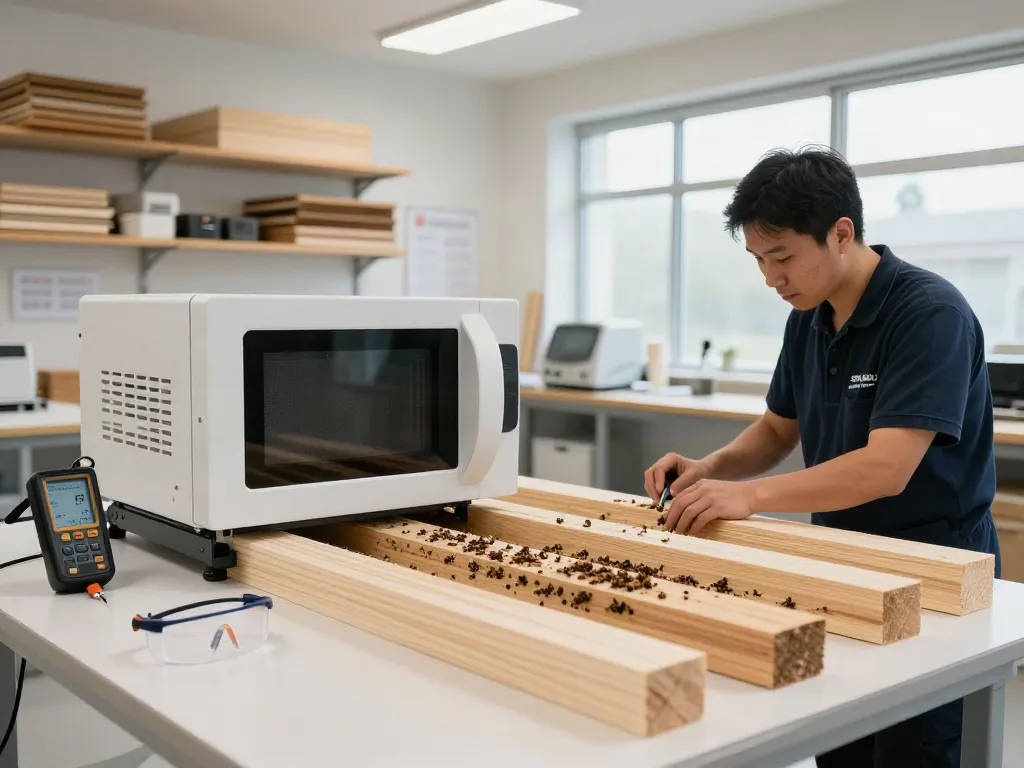
SHASHEL® is a specialized microwave pest control system designed specifically for the elimination of wood-boring insects such as woodworms, longhorn beetles, and powderpost beetles. By harnessing microwave energy, the device generates heat that is uniformly distributed within the wood, effectively killing both the pests and their larvae at all stages of their life cycle. The process is not only quick but also does not compromise the structural integrity of the wood being treated. When pests are exposed to the appropriate microwave frequencies, which penetrate deeply into the wood, the insects cannot survive the intense heat generated within their bodies, leading to an efficient and straightforward elimination process.
The Science Behind Microwave Treatments for Wood-Boring Insects
The underlying science of microwave pest control is rooted in the principles of thermodynamics. When wood is exposed to microwaves, the water molecules within it absorb the energy, causing them to vibrate rapidly and generate heat. This rise in temperature can be precisely controlled to ensure that it reaches levels lethal to wood-boring insects—typically around 55°C (131°F)—without significantly damaging the wood itself. This technology is a testament to modern engineering, demonstrating that pest control can be both effective and environmentally friendly.
Benefits of Choosing SHASHEL® Over Traditional Methods
Conventional methods of pest control often involve chemical treatments that can leave harmful residues, posing potential health risks to both humans and pets. In contrast, the SHASHEL® system offers numerous advantages:
- Chemical-Free Solution: By utilizing microwave technology, SHASHEL® eliminates the need for hazardous pesticides, making it safer for both your family and the environment.
- Rapid Treatment Time: The entire process can often be completed within minutes, allowing you to quickly reclaim your space.
- Deep Penetration: Microwaves penetrate deep into the wood, ensuring that even larvae and eggs, which may be hidden, are effectively exterminated.
- Preservation of Wood Quality: Unlike chemical treatments that can warp or discolor wood, the SHASHEL® method maintains the wood's quality and aesthetic.
Identifying Wood Infestations
Recognizing the early signs of wood infestations is crucial to preventing extensive damage. Being able to identify these signs can save both time and money in the long run.
Common Signs of Woodworm and Infestation
Woodworms can often go unnoticed until significant damage has occurred. Here are some common indicators that may suggest an infestation:
- Presence of Tiny Holes: Small exit holes in wood surfaces are often the first visible sign of woodworm activity.
- Sawdust Accumulation: Fine sawdust, often referred to as frass, can accumulate beneath infested wood, indicating that larvae are active.
- Weak or Hollow Sound: Tapping on affected wood may produce a hollow sound, suggesting internal damage.
How to Assess the Severity of an Infestation
To accurately assess the severity of a woodworm infestation, consider the following steps:
- Examine the wood for visible signs of damage, including holes and frass.
- Use a screwdriver or similar tool to test the integrity of the wood; if it crumbles easily, the infestation may be severe.
- Inspect nearby structures for additional signs, as infestations can spread quickly.
Understanding Different Types of Wood-Boring Insects
Not all wood-boring insects are created equal. Understanding the specific type of pest infesting your wood can help in selecting the most effective treatment. Common pests include:
- Woodworms: The larvae of various beetles that bore into wood, often leading to serious structural damage.
- Longhorn Beetles: Known for their long antennae, these beetles can cause damage similar to that of woodworms but may attack larger wood structures.
- Powderpost Beetles: These pests create fine powder as they burrow, indicating their presence and potential damage.
Preparing for Effective Treatment
Preparation is key to ensuring an effective treatment with the SHASHEL® system. Proper planning can facilitate a smoother treatment process and better results.
Essential Tools and Equipment Required for SHASHEL® Treatments
Before initiating the treatment, gather the necessary tools and equipment:
- SHASHEL® microwave treatment device
- Protective clothing, including gloves and goggles
- Thermometer to monitor temperature
- Wood moisture meter to assess the condition of the wood before treatment
Safety Precautions to Consider Before Treatment
Although SHASHEL® treatments are largely safe, it is essential to follow these safety precautions:
- Ensure the treatment area is clear of any flammable materials.
- Use protective gear to avoid exposure to intense heat or potential steam.
- Keep pets and children away from the treatment area during the process.
Step-by-Step Guide to Setting Up Your Workspace
Creating an efficient workspace will enhance the treatment process. Follow these steps:
- Clear the area of unnecessary items to ensure safe and easy access to the wood being treated.
- Set up the SHASHEL® device according to the manufacturer's instructions, ensuring it is stable and positioned correctly.
- Make sure you have all necessary tools within reach for a seamless experience.
Executing the Treatment Process
Once preparation is complete, it's time to execute the treatment process effectively. Proper execution guarantees optimal results.
Best Practices for Using SHASHEL® Equipment Effectively
For effective use of SHASHEL® equipment, adhere to the following best practices:
- Carefully monitor the temperature to ensure it reaches the desired level for effective extermination.
- Follow the recommended duration for treatment based on wood thickness and pest type.
- Maintain a consistent check on the equipment’s performance throughout the process.
Monitoring Progress During the Treatment Cycle
It is crucial to monitor the treatment progress closely. Regular checks can help identify any adjustments needed in temperature or duration:
- Maintain logs of temperature readings to ensure consistency.
- Assess the wood periodically for signs indicating successful pest elimination.
Post-Treatment Care and Maintenance of Treated Wood
Once treatment is completed, implementing proper care and maintenance is essential to ensure longevity:
- Seal any exposed wood surfaces with a protective coating to prevent future infestations.
- Regularly inspect treated areas for new signs of infestation.
- Keep wood in well-ventilated, dry areas to reduce moisture and limit additional pest attraction.
Future Trends in Wood Treatment Technology
The field of wood treatment is continuously evolving, with new technologies emerging to enhance effectiveness and sustainability.
Innovations in Pest Control for 2026 and Beyond
As we look toward the future, several innovations are set to revolutionize pest control:
- Advanced Detection Systems: Emerging technologies may facilitate early detection of infestations using sensors and drones.
- Eco-Friendly Treatments: Continued research into sustainable and non-toxic treatment options will likely grow, reducing the environmental impact.
- Automated Systems: Automation in pest control processes could minimize manual labor and increase efficiency.
Environmental Impacts and Sustainable Practices in Wood Treatment
As sustainability becomes a priority, the focus on eco-friendly wood treatment options will likely increase. SHASHEL® technology exemplifies such progress, as it does not rely on toxic chemicals, thereby aiding in environmental preservation.
Expert Predictions on Wood Treatment Effectiveness
Experts are predicting that as technology evolves, treatments will become more targeted and less invasive. This not only promises better outcomes for pest management but also for the preservation of wood structures.
What are the advantages of microwave treatments over chemical treatments?
Microwave treatments, such as those offered by SHASHEL®, provide a safe and effective alternative to chemical treatments, ensuring both efficacy and environmental safety.
How long does the SHASHEL® treatment process take?
The SHASHEL® treatment process can often be completed in a matter of minutes, depending on the thickness of the wood and the severity of the infestation.
Can SHASHEL® equipment be used in residential settings?
Yes, SHASHEL® equipment is designed for safe use in various settings, including residential properties, making it a versatile option for homeowners.
What safety measures should be in place during treatment?
Safety measures should include protective clothing, ensuring the treatment area is free of flammable materials, and keeping pets and children away during the process.
How do I maintain the quality of treated wood after SHASHEL® treatment?
Post-treatment maintenance involves sealing the wood and regularly inspecting it for signs of infestations to ensure lasting preservation.