Understanding Crimp Connectors
Crimp connectors play a crucial role in facilitating reliable electrical connections across various applications. When exploring options, crimp connectors provide comprehensive insights into how these tools enhance the longevity and performance of electronic devices. These connectors are designed to join two or more wires or cables in a secure manner, making them a favorite choice among engineers and technicians.
What are Crimp Connectors?
Crimp connectors are specialized electrical connectors used to join wires or cables together by deforming a metal terminal onto a wire. This mechanical connection provides low-resistance pathways for electrical flow, ensuring efficient transmission of electrical signals. Crimp connectors are made from various materials, including copper and aluminum, and are designed in different shapes and sizes to meet diverse application needs.
Key Benefits of Using Crimp Connectors
- Reliability: Crimp connections are generally more reliable than soldered joints, particularly in high-vibration environments.
- Ease of Use: Crimp connectors can be installed quickly with the right tools, saving time and labor costs.
- Consistency: The crimping process allows for uniform connections, which minimizes performance variability.
- Corrosion Resistance: Many crimp connectors are designed to be resistant to corrosion, extending the life of the connection.
- Reversibility: Some crimp connections can be undone if necessary, offering flexibility during installation.
Common Applications in Electronics
Crimp connectors are widely used across various industries, including automotive, telecommunications, home appliances, and industrial equipment. In automotive applications, crimp connectors ensure that wires connecting sensors, lights, and motors maintain a strong connection even under extreme conditions. Telecommunications equipment relies on crimp connectors to maintain clarity and strength in data transmission. Their versatility makes crimp connectors indispensable in modern electronics.
Types of Crimp Connectors
Overview of Popular Crimp Connector Types
Crimp connectors come in a diverse range of types, each suitable for specific applications. Some of the most popular types include:
- Butt Connectors: These connectors are used to join two wires end-to-end and can handle high current loads.
- Flag Terminals: Designed for vertical connections, these connectors are ideal for limited-space applications.
- Closed End Connectors: These provide a secure enclosure for wire connections, preventing exposure to external elements.
- Splice Connectors: Used for connecting multiple wires together, often found in complex wiring systems.
Choosing the Right Crimp Connector for Your Project
Selecting the appropriate crimp connector involves considering several factors, including the wire gauge, the environment where the connector will be used, and the current load requirements. Different connectors have varying pitches, which refer to the distance between terminals. Understanding these specifications is foundational in ensuring reliable connections in your projects.
Comparing Crimp Connectors with Other Types
While crimp connectors are a popular choice, it's essential to compare them with other types of connections, such as soldered connections and twist-on wire connectors. Crimp connectors often provide superior mechanical strength and resistance to environmental factors such as moisture and temperature fluctuations. Soldered connections, while effective, can be prone to heat damage and require a higher skill level for installation.
Crimping Techniques
Essential Tools for Crimping
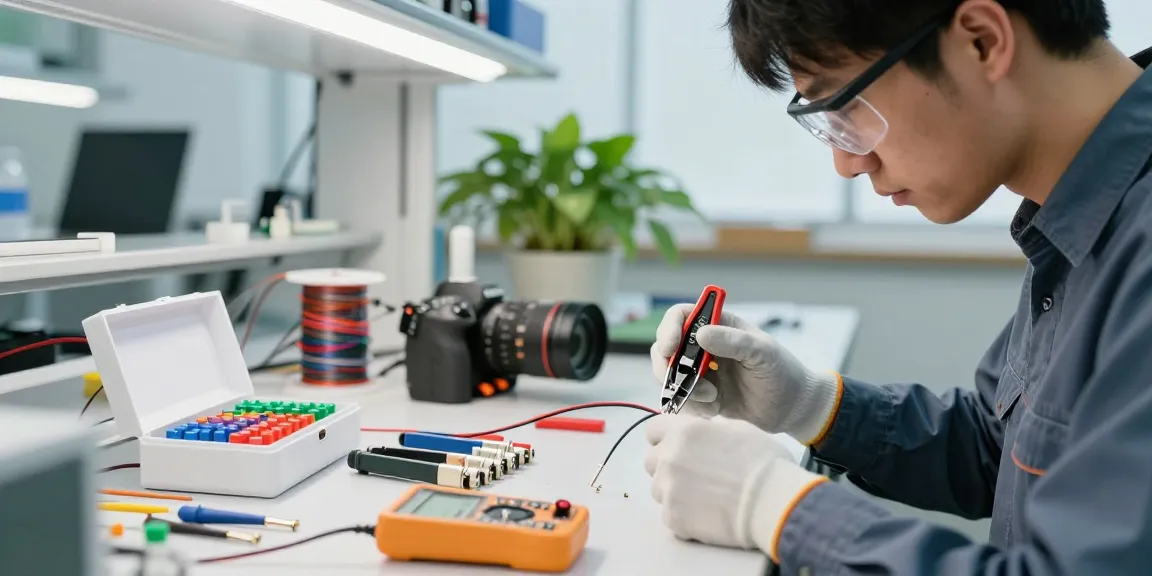
To achieve a strong and reliable crimp connection, certain tools are essential. A quality crimping tool is necessary to apply the right pressure and achieve the desired connection. Other tools may include wire strippers to prepare the wire ends, and a continuity tester to verify connections. Investing in high-quality tools ensures consistent results and reduces the likelihood of connection failures.
Step-by-Step Guide to Crimping
- Prepare the Wire: Use a wire stripper to remove insulation from the end of the wire, exposing enough copper to fit into the connector.
- Insert into Connector: Place the stripped wire into the crimp connector, ensuring that it is fully inserted.
- Crimp the Connection: Use the crimping tool to apply pressure, securing the connector onto the wire. Ensure the crimp is tight and secure.
- Check the Connection: Use a continuity tester to confirm that the electrical signal can pass through the connection without resistance.
Common Mistakes to Avoid When Crimping
Even seasoned professionals can make errors when crimping connectors. Common mistakes include failing to strip adequate length of wire, using the wrong crimping tool, and not applying enough pressure during the crimping process. These mistakes can lead to unreliable connections and increased risk of failure in applications.
Reliability and Performance of Crimp Connectors
Factors Affecting the Reliability of Crimp Connections
Several factors can influence the reliability of crimp connections, such as the quality of the connector materials, the environment in which the connection operates, and the skill of the technician performing the crimp. Regular inspections and adherence to best practices can significantly enhance the overall reliability of connections made using crimp connectors.
Testing and Quality Assurance Practices
Implementing rigorous testing and quality assurance practices is vital for ensuring the performance of crimp connectors. Techniques such as pull testing, visual inspection, and thermal cycling can help identify potential weaknesses in connections before they lead to failures in the field.
Real-World Examples of Crimp Connector Failures
Crimp connector failures can have significant consequences, especially in critical applications. For instance, a failure in an automotive crimp connection may lead to engine failure, while a failure in telecommunications equipment can disrupt services for thousands of users. Learning from past failures is essential in improving best practices for crimp usage.
Future Trends in Crimp Connectors
Innovations Driving Change in Crimp Connector Design
The landscape of crimp connectors is evolving due to advancements in technology and materials. Innovative designs aim to improve ease of use and performance, such as self-stripping connectors and environmentally friendly materials that reduce the ecological impact of manufacturing.
Market Predictions for Crimp Connectors in 2026
As the demand for reliable electronic connections grows, the crimp connector market is expected to expand significantly by 2026. Increased automation in manufacturing processes and the continuous evolution of smart technology will drive the production of more specialized connectors, tailored to meet the unique requirements of various industries.
Impact of Emerging Technologies on Crimp Connectors
Emerging technologies, such as IoT (Internet of Things) and advanced manufacturing techniques, are set to revolutionize the crimp connector industry. The integration of smart technology into connectors will allow for real-time monitoring and diagnostics, leading to more efficient operations and predictive maintenance capabilities.
What are the advantages of crimp connectors in electrical applications?
Crimp connectors offer multiple advantages in electrical applications, including enhanced reliability, ease of installation, and the ability to tolerate vibrations and temperature changes better than other connection types. These qualities make them particularly desirable in automotive, aerospace, and industrial applications.
How do crimp connectors compare to soldering?
Compared to soldering, crimp connectors provide enhanced mechanical strength and are less susceptible to thermal damage during installation. Additionally, crimp connections can be completed more quickly than soldered joints, making them advantageous in high-volume production environments.
What are the best practices for choosing crimp connectors?
To choose the right crimp connector, consider the specific application requirements, such as current rating, wire gauge, and environmental factors. It is also crucial to select connectors that are compatible with the tools being used and to adhere to manufacturer specifications for optimal performance.
Where can I find quality crimp connectors for my projects?
Quality crimp connectors can be sourced from specialized electronics suppliers, hardware stores, and online retailers. It's essential to verify the reputation of the supplier and to review product specifications to ensure that the connectors meet industry standards.
What tools do I need to crimp connectors effectively?
Effective crimping requires a few essential tools, including a reliable crimping tool, wire strippers, and continuity testers. For more information, wire terminals offers valuable insights. Having quality tools on hand ensures that the crimp connections made will be strong and long-lasting.