Understanding Cannabis Seeds: Types and Characteristics
Cannabis cultivation begins with a comprehensive understanding of the different types of cannabis seeds available in the market. Each type has its distinct characteristics, which affect growth, yield, and the overall success of your cultivation efforts. Understanding these seeds is essential for both novice and experienced growers, as it lays the foundation for robust plant development and optimal harvests.
What are Feminized Cannabis Seeds?
Feminized cannabis seeds are engineered to produce only female plants, which are the ones that yield the sought-after flowers rich in cannabinoids. Through selective breeding techniques, these seeds eliminate the possibility of male plants, thus maximizing the grower's yield and efficiency. Feminized seeds are a popular choice for growers who wish to simplify the cultivation process and ensure a productive grow cycle. The reliability and predictability of feminized seeds make them particularly appealing for indoor growers who seek consistency.
Differences Between Autoflower and Regular Seeds
Autoflowering seeds differ significantly from regular seeds in both growth patterns and light requirements. Regular seeds can produce either male or female plants and require specific light cycles to trigger flowering. In contrast, autoflowering seeds shift from the vegetative phase to the flowering phase automatically, regardless of light exposure. This trait allows growers to cultivate these seeds in diverse environments and makes them a favored option for those looking for a short turnaround time, especially in regions with shorter growing seasons.
Seed Genetics and Their Impact on Growth
The genetics of cannabis seeds play a pivotal role in the characteristics of the plants they yield. Different strains can lead to different levels of THC, CBD, and other cannabinoids, impacting the plant's effects, flavors, and growth patterns. Understanding seed genetics is crucial for growers looking to achieve specific outcomes, be it potency, flavor profile, or growth rate. Most cannabis seed banks provide extensive genetic backgrounds on their seeds, allowing you to make informed decisions based on your cultivation goals.
Choosing the Right Cannabis Seeds for Your Needs
Selecting the right cannabis seeds is a fundamental step that can determine the success of your cultivation project. The diversity of cannabis strains available means that understanding various factors is essential for making an educated choice.
Factors to Consider When Selecting Seeds
When selecting cannabis seeds, consider the following factors:
- Growing Environment: Determine whether you will grow indoors or outdoors, as this influences your choice of strain.
- Climate: Some strains perform better in certain climates, so ensure that your location is suitable.
- Desired Effects: Different strains provide varied effects; choose one based on the desired experience (e.g., uplifting, calming).
- Growth Timeline: Autoflowering varieties offer quicker harvests, while photoperiod strains might take longer but offer larger yields.
- Experience Level: Beginners might prefer hardy strains that are easier to grow, while seasoned growers can tackle more challenging varieties.
Top Strains for Beginners and Experienced Growers
For beginners, strains like Northern Lights and Blue Dream are often recommended due to their resilience and forgiving nature. Experienced growers might enjoy experimenting with more specialized strains such as Sour Diesel or Girl Scout Cookies, which may offer greater challenges but also enhanced rewards in terms of potency and flavor. Choosing the right strains according to your level of expertise can significantly impact your cultivation success.
Where to Buy Quality Cannabis Seeds Online
Finding reputable sources to purchase cannabis seeds online is crucial for ensuring quality and genetic integrity. Look for well-reviewed seed banks with good customer service and clear germination guarantees. Websites like Dutch Passion and Humboldt Seed Company offer a wide variety of options, from feminized to autoflowering seeds, catering to different preferences and needs.
Preparing for Cultivation: Soil, Light, and Environment
Before planting your seeds, creating the ideal environment is vital for successful cannabis cultivation. There are several key elements to consider.
Best Soil Types for Cannabis Seed Growth
The best soil for cannabis cultivation should provide adequate drainage, aeration, and nutritional support. A well-balanced soil mixed with organic matter can enhance root development and overall plant health. Common options include peat-based soils enriched with perlite or vermiculite to improve drainage and aeration. Consider soil pH levels as well, as cannabis plants thrive in slightly acidic conditions (around pH 6.0 to 6.5).
Essential Lighting Techniques for Indoor Growing
For indoor growers, the right lighting setup is crucial. High-Intensity Discharge (HID) lights, LED grow lights, and fluorescent lights are popular choices. HID lights are excellent for promoting flowering due to their intense brightness, while LED lights are energy-efficient and produce less heat. Understanding the photoperiod requirements of your chosen strain will help you set the correct light schedule for optimal growth.
Maintaining Optimal Temperature and Humidity Levels
Creating a stable environment for cannabis seeds involves monitoring temperature and humidity levels. Ideal temperature ranges are typically between 70°F (21°C) and 85°F (29°C) during the day, and slightly cooler at night. Humidity levels should be maintained around 40-60% during the vegetative phase, decreasing to 40% during flowering to prevent mold and mildew.
Growing Your Cannabis Seeds: Step-by-Step Guide
Once your setup is ready, it's time to focus on the actual cultivation process, which includes several critical steps.
Germination Techniques for Maximum Success
Germination is the first phase of the growing process. Popular methods include the paper towel method and soaking seeds in water. The paper towel method involves placing seeds between moist towels in a warm spot, checking regularly for sprouts. Soaking seeds for 12-24 hours can also kickstart the germination process, but care must be taken not to leave them too long, as they can drown.
Transplanting Seedlings: Timing and Techniques
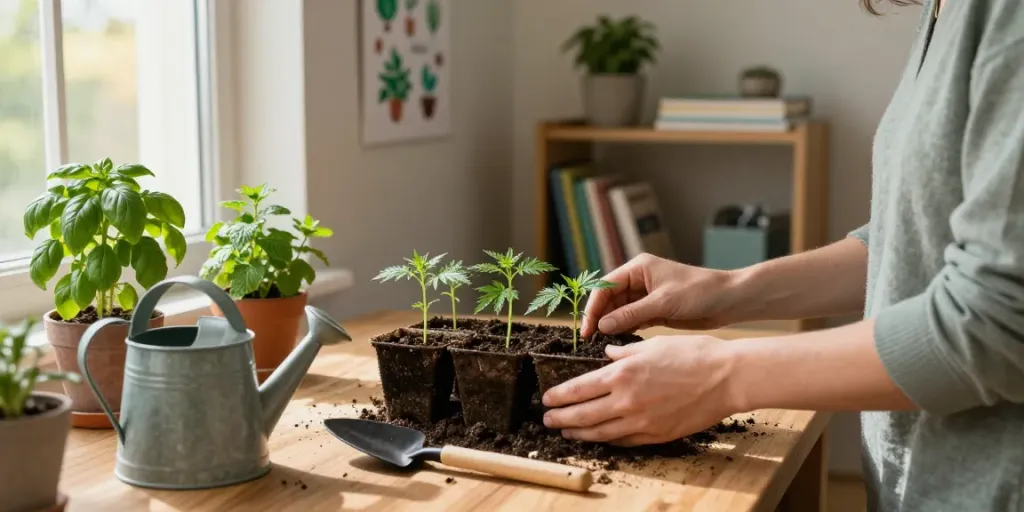
Timing is crucial when it comes to transplanting seedlings. It's generally recommended to transplant when seedlings are about 2-4 inches tall and have developed a few sets of true leaves. Handle seedlings carefully to avoid damaging their delicate roots. Transplanting should be done during the cooler part of the day to reduce shock.
Common Challenges in Seedling Care and How to Overcome Them
Common challenges during the seedling stage include overwatering, nutrient deficiencies, and pest infestations. Monitoring soil moisture and ensuring good drainage can help prevent overwatering. Regularly inspecting plants and using organic pest control can mitigate pest-related issues. Providing seedlings with a balanced nutrient solution can address any deficiencies early.
Harvesting and Storing Cannabis Seeds: What You Need to Know
Successfully harvesting cannabis seeds requires careful timing and post-harvest care to ensure longevity and quality.
Identifying the Right Time to Harvest
The optimal time for harvesting cannabis seeds is when the trichomes turn from clear to a milky white or amber hue, indicating peak potency. Checking both the pistils and trichomes will provide the best indication of the right time to harvest. It's crucial to harvest at the right moment to ensure the highest quality product.
Best Practices for Drying and Curing Cannabis
After harvesting, it’s essential to dry the cannabis properly to avoid mold and preserve flavor. Hang plants upside down in a dark, temperature-controlled room until stems snap rather than bend. Following drying, curing in airtight jars for several weeks enhances the flavor and potency of the cannabis. Open jars periodically to release moisture and allow for fresh air circulation.
Proper Storage Techniques for Longevity
To store cannabis seeds for maximum longevity, keep them in a cool, dark place, preferably in airtight containers. Maintaining stable temperatures and humidity levels will help preserve seed viability. Some growers opt to store seeds in the refrigerator or freezer, but it's essential to allow seeds to acclimatize before planting to avoid condensation damage.
FAQs About Cannabis Seeds
Where can I buy feminized cannabis seeds online?
Many reputable online seed banks offer feminized cannabis seeds. It is advisable to check reviews and ensure they provide guaranteed germination rates.
What are the best cannabis seeds for beginners?
Beginner-friendly strains include autoflowering varieties and robust strains like Northern Lights or Green Crack, known for their ease of growth.
How do I ensure high germination rates for cannabis seeds?
Ensuring optimal conditions during germination, such as adequate moisture, warmth, and light, can significantly enhance germination rates.
What regulations should I consider when growing cannabis seeds?
Each state has specific laws regarding cannabis cultivation, including plant counts and licensing. Always consult local regulations to ensure compliance.
Can cannabis seeds be grown indoors and outdoors?
Yes, cannabis seeds can thrive in both indoor and outdoor environments, provided that the conditions are suitable for their growth requirements.