
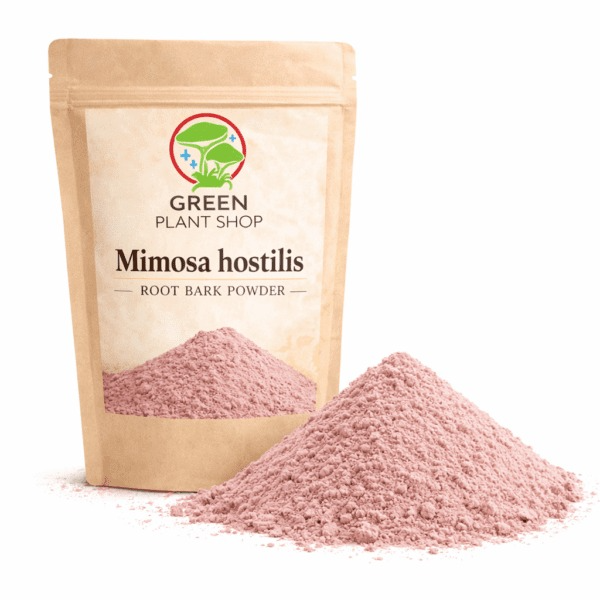
Mimosa Hostilis Root Bark has attracted attention among botanical researchers, natural-material enthusiasts, and businesses interested in responsibly sourced plant products. Mimosa Hostilis Root Bark is obtained from the roots of Mimosa tenuiflora, a tree native to parts of Mexico and other regions of northeastern South America. When discussing Mimosa Hostilis Root Bark, understanding Mexican sourcing practices is important because origin, harvesting methods, processing standards, and environmental responsibility all influence the quality and sustainability of botanical materials. Responsible sourcing also requires attention to local regulations, supply-chain transparency, and respect for communities involved in harvesting and processing.
What Is Mimosa Hostilis Root Bark?
Mimosa Hostilis, historically known under the botanical name Mimosa tenuiflora, is a thorny tree adapted to warm, relatively dry environments. It belongs to the legume family and is recognized for its resilience, extensive root system, and ability to survive challenging growing conditions.
Mimosa Hostilis Root Bark refers specifically to bark material associated with the tree's roots. Botanical suppliers may describe products according to their physical form, geographical origin, preparation, and intended lawful use. Because terminology can vary between suppliers and regions, buyers should pay attention to botanical identification and product documentation rather than relying only on common names.
Botanical Characteristics
The tree is well adapted to semi-arid landscapes. Its ability to tolerate periods of limited rainfall makes it an important component of certain regional ecosystems. The plant can also contribute to soil stability and ecological regeneration.
For commercial botanical sourcing, correct identification is particularly important. A reliable supplier should be able to provide clear information about the botanical species, country or region of origin, harvesting approach, and processing practices.
Mexican Origins and Regional Availability
Mexico contains diverse ecosystems where Mimosa species and related botanical resources occur. Mexican sourcing practices can differ according to geography, local communities, land ownership, environmental conditions, and applicable regulations.
When sourcing Mimosa Hostilis Root Bark, geographic origin should be treated as more than a marketing statement. A transparent supply chain should provide reasonable information about where the botanical material was obtained and how it moved from harvesting areas to processors and distributors.
Why Geographic Traceability Matters
Traceability helps businesses evaluate consistency and sustainability. Information about harvesting regions can also help buyers understand seasonal availability, transportation requirements, and potential variations in plant material.
Mimosa Hostilis Root Bark sourced through a documented supply chain is generally easier to evaluate than material sold without information about its origin. Documentation can include botanical identification, supplier records, batch information, and statements concerning lawful sourcing.
Traditional Knowledge and Cultural Context
Plants have long been connected with traditional practices in different parts of Mexico and surrounding regions. The historical use of Mimosa tenuiflora has included applications involving plant fibers, dyes, natural materials, and traditional preparations.
Discussing these traditions requires cultural sensitivity. Traditional knowledge belongs within its historical and community context rather than being presented simply as a commercial opportunity. Modern businesses can support ethical sourcing by recognizing the contribution of local knowledge and avoiding exaggerated claims about traditional practices.
Mimosa Hostilis Root Bark should therefore be presented as a botanical material with a complex cultural and ecological history rather than merely as a commodity.
Sustainable Harvesting Practices
Sustainability is one of the most important considerations when evaluating botanical root materials. Root harvesting can potentially place greater pressure on a plant than collecting renewable surface material because inappropriate removal may damage or kill individual plants.
Responsible Mimosa Hostilis Root Bark sourcing should therefore consider harvesting intensity, regeneration, land management, and the long-term health of local plant populations.
Protecting Natural Populations
Sustainable sourcing begins with understanding where plants are collected and whether harvesting is compatible with local environmental conditions. Suppliers can improve responsible practices by working with experienced harvesters, monitoring supply areas, and maintaining records of procurement.
Another important consideration is avoiding unnecessary waste. Careful sorting, appropriate storage, and efficient transportation can reduce losses throughout the supply chain.
Quality Factors in Botanical Sourcing
The quality of Mimosa Hostilis Root Bark can vary depending on botanical identity, growing conditions, age of plant material, harvesting methods, drying conditions, storage, and transportation.
A professional sourcing process should therefore focus on consistency rather than appearance alone. Physical characteristics can provide useful information, but reliable documentation and appropriate quality-control procedures are also important.
Storage and Handling
Botanical bark should be protected from excessive moisture, contamination, and unsuitable storage conditions. Poor handling can contribute to deterioration and reduce the commercial value of plant material.
Suppliers should maintain appropriate packaging and storage procedures while providing batch-level information where practical. Buyers seeking Mimosa Hostilis Root Bark for lawful botanical purposes should ask about storage history and quality-control standards before purchasing.
Ethical Supply Chains in Mexico
Ethical sourcing extends beyond environmental sustainability. It also involves fair relationships with harvesters, processors, suppliers, and local communities.
A responsible supply chain should avoid exploitative purchasing practices and should provide reasonable transparency regarding the people and businesses involved in production. Long-term supplier relationships can encourage better harvesting standards and more consistent product quality.
Mimosa Hostilis Root Bark suppliers can strengthen their credibility by communicating clearly about sourcing regions, processing methods, quality checks, and environmental considerations.
Regulatory Considerations
Botanical products can be subject to different laws depending on the country where they are harvested, sold, imported, or used. Regulations may also change over time. Therefore, businesses should verify applicable requirements in both the source country and destination market.
This is especially important when botanical materials have compounds that may be regulated in some jurisdictions. Commercial descriptions should remain accurate and should not make unsupported claims about medicinal, therapeutic, or psychoactive effects.
For international trade, responsible companies should maintain appropriate documentation and confirm that their products comply with applicable customs, import, labeling, and environmental requirements.
Choosing a Responsible Supplier
A reputable supplier should be willing to answer basic questions about botanical identity, country of origin, sourcing practices, processing, packaging, and quality control.
Buyers should be cautious about suppliers that provide vague information or make unrealistic claims about purity, rarity, sustainability, or traditional benefits. Clear communication is usually a better indicator of professional sourcing than aggressive marketing.
Mimosa Hostilis Root Bark purchased for lawful purposes should come with enough information for buyers to understand what they are receiving and how it entered the supply chain.
The Importance of Sustainable Mexican Sourcing
Mexican botanical sourcing can provide economic opportunities while encouraging responsible stewardship of natural resources. However, commercial demand should not undermine local ecosystems or encourage destructive harvesting.
A sustainable approach balances availability with regeneration. It also recognizes that plant resources are connected to land, communities, biodiversity, and regional economies.
Mimosa Hostilis Root Bark can therefore be evaluated through several interconnected factors: botanical authenticity, geographic traceability, environmental responsibility, ethical procurement, storage quality, and legal compliance.
Future Trends in Botanical Supply Chains
The botanical industry is increasingly focused on transparency and responsible procurement. Digital records, batch tracking, supplier audits, laboratory testing, and sustainability certifications may become more common as customers demand greater information about plant-based products.
For Mexican botanical materials, these developments could make it easier to distinguish transparent suppliers from businesses with poorly documented sourcing practices.
Mimosa Hostilis Root Bark sourcing can benefit from this broader movement toward traceability. Better documentation can help protect consumers, support responsible businesses, and encourage more sustainable relationships with harvesting communities.
Frequently Asked Questions
1. Where does Mimosa Hostilis Root Bark come from?
Mimosa Hostilis Root Bark is associated with the roots of Mimosa tenuiflora, a tree found in Mexico and parts of northeastern South America. Specific commercial origins should be confirmed with the supplier.
2. Why is sustainable harvesting important?
Root-based harvesting can put pressure on individual plants if performed irresponsibly. Sustainable practices aim to protect plant populations, habitats, and the long-term availability of botanical resources.
3. How can buyers evaluate sourcing transparency?
Buyers can ask for information about botanical identification, geographic origin, harvesting practices, processing, batch documentation, and storage conditions.
4. Does Mexican origin guarantee product quality?
No. Geographic origin alone does not guarantee quality. Product identity, harvesting methods, processing, storage, documentation, and supplier quality controls are also important.
5. Is Mimosa Hostilis Root Bark legal everywhere?
No. Laws governing botanical materials can differ between countries and may change. Buyers and businesses should verify current local import, sale, possession, labeling, and use requirements before obtaining or distributing the material.