Understanding Organic Hemp and Its Origins
What is Organic Hemp?
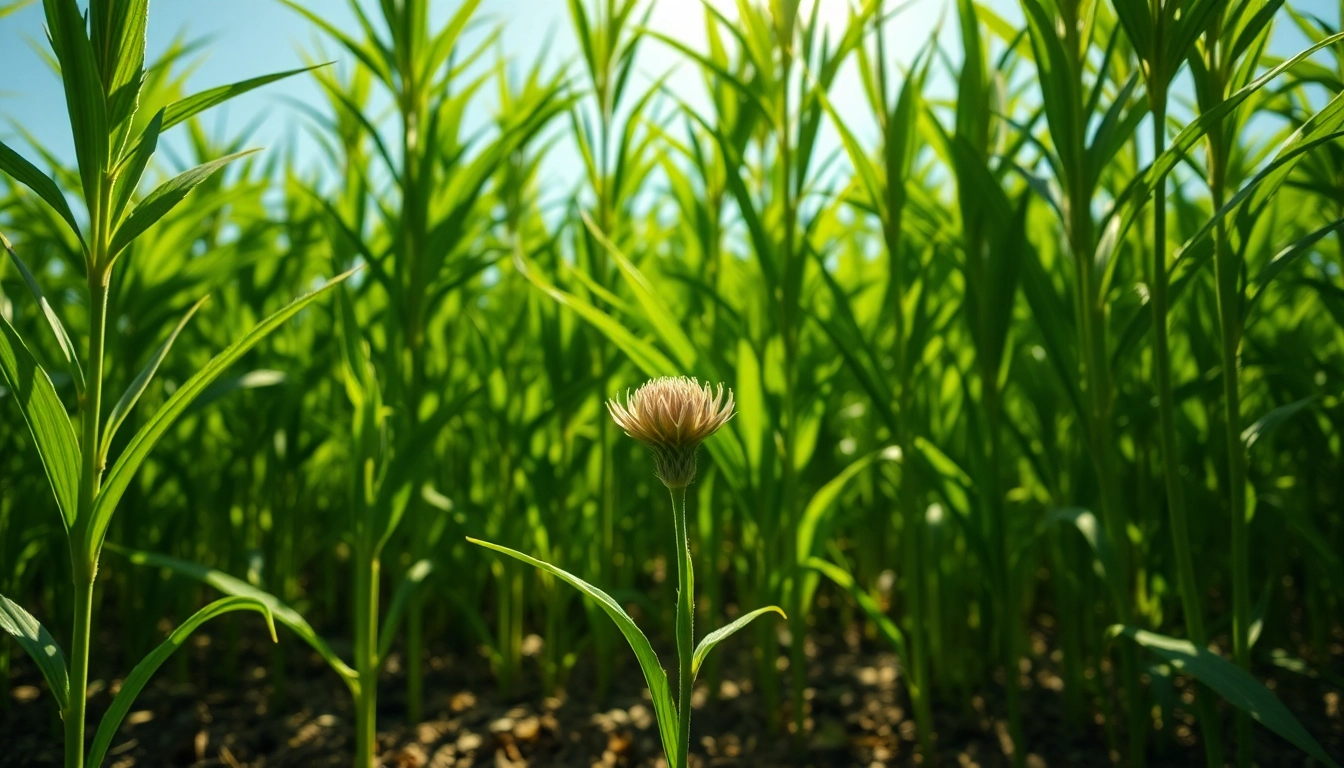
Organic hemp is derived from the Cannabis sativa plant, cultivated without the use of synthetic fertilizers, pesticides, or genetically modified organisms. It has gained prominence not just for its utility but also for its sustainability. This cultivation method emphasizes environmental stewardship while ensuring the quality of the product, making organic hemp a favored choice among health-conscious consumers and environmentally aware advocates.
Historical Uses of Organic Hemp in Various Cultures
Hemp has been utilized across cultures for thousands of years. In ancient China, it was used to produce textiles and paper as early as 2800 BCE. The Egyptians valued it for its fibers and even included hemp-based materials in their burial practices. In Europe, particularly during the Middle Ages, hemp was a fundamental resource for making ropes and sails for maritime vessels. The versatility of hemp is further evidenced by its nutritional uses; Native Americans, for instance, incorporated hemp seeds into their diets. This rich history highlights organic hemp's significant role in diverse cultures.
Differences Between Conventional and Organic Hemp
The distinction between conventional and organic hemp lies primarily in growing practices. Conventional hemp may be exposed to a variety of synthetic chemicals to enhance yield and fend off pests. In contrast, organic hemp is cultivated in accordance with strict organic standards, fostering biodiversity in the ecosystem. These differences yield products that not only align better with sustainable practices but are also believed to be healthier for consumption due to the absence of harmful residues.
Nutritional Profile of Organic Hemp
Essential Nutrients Found in Organic Hemp Seeds
Organic hemp seeds are a powerhouse of nutrition, offering a unique blend of macronutrients and micronutrients. They boast a balanced ratio of omega-3 and omega-6 fatty acids, making them an ideal source of essential fats that support heart health. Each serving of organic hemp seeds contains around 10 grams of protein, which includes all nine essential amino acids, making them a complete protein source. Furthermore, they are rich in various vitamins and minerals, including vitamin E, magnesium, and potassium, enhancing overall dietary quality.
Health Benefits Associated with Organic Hemp Consumption
The consumption of organic hemp can bring multiple health benefits. The omega fatty acids present in hemp seeds help reduce inflammation and may alleviate symptoms of chronic diseases such as cardiovascular issues. The high fiber content contributes to digestive health, promoting regularity and a balanced gut microbiome. Additionally, the protein in organic hemp supports muscle health and can be a valuable addition to plant-based diets.
How Organic Hemp Supports a Healthy Lifestyle
Incorporating organic hemp into daily meals encourages a holistic approach to nutrition. Its versatility allows it to be easily integrated into smoothies, salads, and baked goods. The combination of proteins, healthy fats, and essential nutrients makes it an excellent option for those pursuing fitness and health goals. Regular consumption can be instrumental in supporting active lifestyles, fueling workouts, and aiding recovery through its nutrient density.
Harvesting and Processing Organic Hemp Products
Methods for Growing Organic Hemp
The growth of organic hemp involves meticulous planning and execution of compliant farming methods. Farmers must prioritize organic practices, which include crop rotation, cover cropping, and the use of natural pest control methods. These practices not only optimize the health of the soil and plants but also help to maintain the integrity of organic certification. The absence of synthetic pesticides and fertilizers promotes a rich ecosystem surrounding and within the crop fields.
Processing Techniques for Organic Hemp Seeds and Oil
The processing of organic hemp seeds and oil is typically cold-pressed to ensure that the natural nutrients remain intact. This method does not involve heat, which can damage sensitive compounds like omega-3 fatty acids. The seeds are hulled to produce hemp hearts, which are often used in various culinary applications. The oil extracted from hemp seeds retains many of the health benefits of the seeds themselves and can be used in salad dressings, smoothies, or even as a cooking oil under moderate temperatures.
Sustainability Practices in Organic Hemp Farming
Sustainability is at the core of organic hemp farming. By avoiding synthetic additives and promoting biodiversity, organic hemp farms contribute positively to the environment. Practices such as permaculture can enhance land productivity while preserving natural ecosystems. Organic hemp cultivation also requires less water than many conventional crops, making it a sustainable choice in agriculture that aligns with the growing demand for eco-friendly farming solutions.
Culinary Uses of Organic Hemp
Incorporating Organic Hemp into Everyday Diets
Incorporating organic hemp into daily meals is simpler than one might think. Hemp hearts can be sprinkled over salads, blended into smoothies, or added to oatmeal for a nutrition boost. They can also replace breadcrumbs in recipes or enhance the protein profile of vegetarian burgers. With their nutty flavor, organic hemp products easily complement a variety of dishes, catering to diverse palates.
Recipes Featuring Organic Hemp Ingredients
Here are a few recipe ideas showcasing organic hemp:
- Hemp Seed Pesto: A nut-free twist on traditional pesto made by blending hemp hearts, garlic, lemon juice, nutritional yeast, and olive oil.
- Hemp-Infused Energy Balls: Combine dates, oatmeal, cocoa powder, and organic hemp seeds for a quick, nutritious snack.
- Hemp Milk: Blend soaked hemp seeds with water and strain for a creamy dairy alternative ideal for smoothies or cereals.
Creative Ways to Use Organic Hemp in Cooking
Beyond traditional applications, organic hemp can be creatively utilized in cooking. For instance, hemp flour—a product of ground hemp seeds—can be used in baking to add protein and a unique flavor profile. Additionally, hemp oil can serve as a finishing drizzle on dishes to improve flavor while enhancing nutritional value. Chefs and home cooks alike can explore the myriad possibilities of this versatile ingredient.
Exploring the Future of Organic Hemp
Emerging Trends in Organic Hemp Products
The future of organic hemp appears promising, especially as consumer interest in plant-based diets rises. New products, ranging from protein powders to skincare formulations, continuously emerge in the market. As research continues to uncover the benefits of hemp-derived compounds, innovations in product development and uses will likely expand, signaling a shift towards greater acceptance and application of organic hemp.
Regulations and Certification for Organic Hemp
The organic certification process for hemp involves comprehensive regulations to ensure that products meet established organic standards. This includes rigorous documentation of growing practices, crop inputs, and processing methods. As the organic market grows, ensuring adherence to these standards will be critical for maintaining consumer trust and supporting sustainable agricultural practices.
The Potential of Organic Hemp in the Health Industry
As awareness around holistic health continues to escalate, organic hemp is poised to play a significant role in the health industry. Its potential beyond nutrition—such as in therapeutic applications—has already been observed in the increasing incorporation of CBD and other hemp derivatives into wellness products. Research into the health benefits of hemp compounds further substantiates its role in modern health and nutrition discourse.