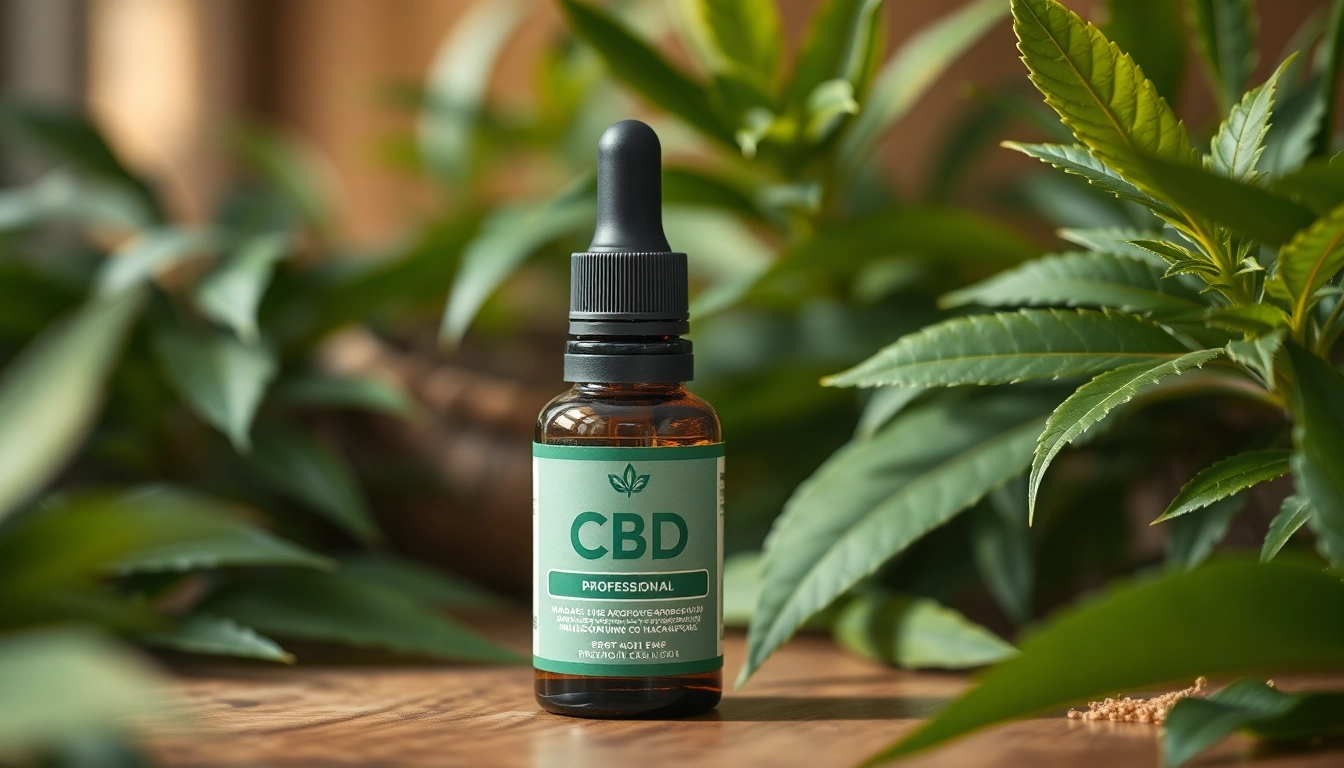
Cannabidiol, commonly known as CBD, has gained significant traction over the last few years. With its roots in the hemp plant, CBD is a non-psychoactive compound that does not induce a high, differentiating it from its cousin THC (tetrahydrocannabinol). This article delves into the intricate world of CBD, exploring its definition and origins, health benefits, safe usage, market products, and legal considerations.
What is CBD?
Definition and Origins of CBD
CBD is one of more than 100 chemical compounds found in the Cannabis sativa plant. It is classified as a cannabinoid, which interacts with the body’s endocannabinoid system to help regulate various physiological processes. Derived primarily from hemp, which contains less than 0.3% THC, CBD has been a significant focus of research and consumer interest, particularly as more states and countries move towards legalization and acceptance of cannabis-related products.
Difference Between CBD and THC
While both CBD and THC are cannabinoids, they differ significantly in their effects and legal status. THC is the psychoactive agent that causes the "high" associated with marijuana use. In contrast, CBD is non-impairing and has been reported to possess various therapeutic properties without intoxication. This distinction is crucial as it allows individuals seeking benefits from cannabis to use CBD safely and legally in many regions without the accompanying cognitive impairment typically associated with THC.
Common Sources of CBD
The primary source of CBD is industrial hemp, which is cultivated for its fibers, seeds, and cannabinoids. The extraction process often involves using solvents, CO2, or steam distillation to isolate CBD from the plant materials. Additionally, you can find CBD in various products ranging from oils and tinctures to edibles and topicals, making it accessible for numerous applications in health and wellness.
Health Benefits of CBD
CBD for Pain Relief
One of the most common reasons people seek out CBD is for pain management. Research suggests that CBD may alleviate chronic pain by impacting endocannabinoid receptor activity, reducing inflammation, and interacting with neurotransmitters. One prominent study found that CBD significantly reduced pain and improved sleep quality in patients with various conditions, including arthritis and multiple sclerosis.
CBD and Mental Health
CBD has shown promise in the realm of mental health. Studies indicate that it may help reduce symptoms associated with anxiety and depression. The compound acts on serotonin receptors in the brain, potentially enhancing mood and promoting relaxation. In this context, it provides a natural alternative for individuals seeking relief from anxiety without the adverse effects commonly associated with traditional pharmaceuticals.
Potential Antioxidant Properties
Emerging research has suggested that CBD may possess antioxidant properties, which could help in reducing oxidative stress and inflammation in the body. By combating free radicals, CBD can contribute to overall health maintenance and may play a role in preventing chronic diseases such as heart disease and cancer. Although more studies are required, the potential antioxidant benefits position CBD as a compelling supplement in modern health regimens.
Using CBD Safely
Recognizing Potential Side Effects
Despite its numerous benefits, CBD is not without its side effects. Some users may experience dry mouth, fatigue, dizziness, or changes in appetite. It is essential for individuals to be aware of these potential effects and to monitor their reactions to CBD, particularly when starting out. Consulting with healthcare professionals can ensure safe usage tailored to individual needs.
Dosage Guidelines for Beginners
For those new to CBD, starting with a low dose is advisable. Begin with a small amount, such as 10-20 mg per day, and gradually increase the dosage every few days until desired effects are achieved. Personal tolerance levels can vary significantly, so a tailored approach to dosing can help maximize benefits while minimizing adverse effects.
Consulting Your Healthcare Provider
Before incorporating CBD into your health regimen, it is wise to consult with a healthcare provider. They can provide personalized recommendations based on medical history, current medications, and individual health goals. This step is vital for those taking other medications, as CBD can interact with certain drugs, thereby affecting their efficacy.
CBD Products in the Market
Different Forms of CBD Products
The market is flooded with various CBD products suitable for different needs and preferences. These include oils, capsules, edibles (such as gummies), topicals, and vape products. Each format offers distinct methods of consumption and absorption rates, allowing users to choose products that best suit their lifestyle and health objectives.
How to Choose Quality CBD
Selecting high-quality CBD products is crucial for ensuring safety and efficacy. Look for products that provide third-party lab test results, indicating quality and potency. Reputable manufacturers will usually make lab reports accessible, detailing the cannabinoid content and confirming the absence of harmful substances such as pesticides and heavy metals.
Factors to Consider When Purchasing CBD
When purchasing CBD, consider the source of hemp, extraction methods, potential additives, and the presence of other cannabinoids. Full-spectrum products may offer additional benefits due to the entourage effect, where various cannabinoids work synergistically. Also, be cautious about the legality of CBD in your area and confirm that the product complies with local regulations.
The Legal Status of CBD
Understanding State Regulations
The legal landscape for CBD can be complex, as regulations vary widely by state. While many states have legalized CBD derived from hemp containing less than 0.3% THC, others may impose restrictions or have specific licensing requirements for production and sale. It’s essential for consumers to familiarize themselves with the laws in their respective states to ensure compliance.
Federal Legal Guidelines
Under the 2018 Farm Bill, CBD derived from hemp has been legalized at the federal level, provided it contains less than 0.3% THC. This legislative change has paved the way for increased research and commercialization of CBD products. However, the FDA has not yet established comprehensive regulations for CBD, particularly regarding food and beverages, leaving certain areas somewhat ambiguous.
Future Trends in CBD Legislation
As consumer interest in CBD continues to rise, it is likely that federal and state regulatory frameworks will adapt accordingly. Future trends may include clearer guidelines for CBD in foods and supplements, more significant research funding that could uncover additional health benefits, and expanded access as societal perceptions evolve. Staying informed about these changes is crucial for all stakeholders in the CBD landscape.