
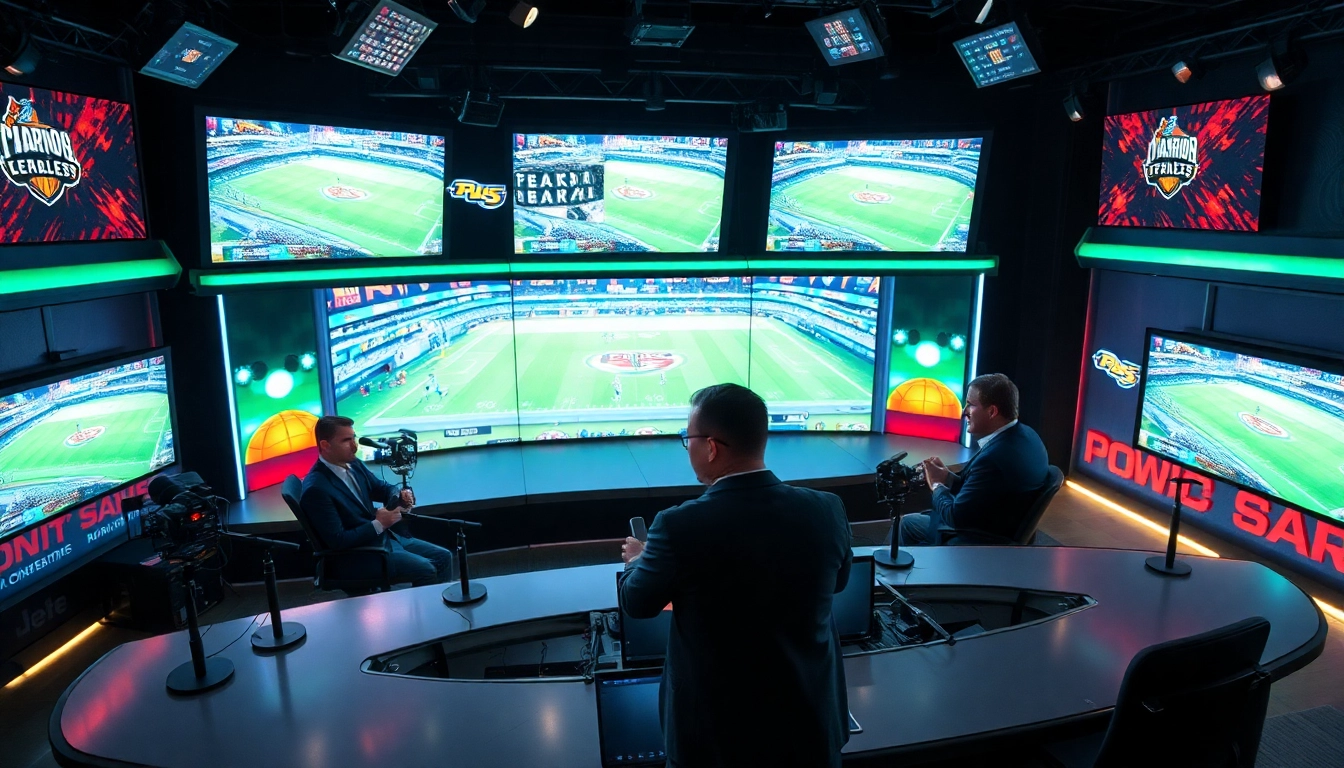
1. Introduction to Sports Broadcasting
1.1. What is Sports Broadcasting?
Sports Broadcasting encompasses the live coverage, commentary, and analysis of sporting events transmitted through television, radio, and online platforms. The term refers not only to the act of airing these events but also to the associated production, including pre-game and post-game shows, highlights, and in-depth reporting. The experience is designed to engage fans and provide insights, enhancing their enjoyment of sports. With the growth of digital media, Sports Broadcasting has become a vital part of the sports ecosystem, connecting viewers with their favorite teams and athletes.
1.2. The Evolution of Sports Broadcasting
The journey of sports broadcasting has undergone a significant transformation since the first live radio broadcasts in the 1920s. The advent of television brought a revolutionary change, allowing fans to watch live events from the comfort of their homes. Each decade introduced new technologies and ideas; for instance, the introduction of instant replays in the 1960s changed how audiences engage with sports. In recent years, digital platforms have emerged, offering live streaming options and on-demand content, further expanding how and when audiences consume sports media.
1.3. Importance of Sports Broadcasting in Today's Media
In today’s fast-paced media environment, sports broadcasting is vital for several reasons. It enhances fan engagement, drives advertising revenue, and contributes to the overall popularity of sports. Additionally, broadcasting deals significantly impact the financial viability of leagues and teams, as networks pay enormous sums for exclusive viewing rights. Furthermore, with the integration of social media, sports broadcasting has evolved into a platform for real-time interaction and feedback, creating an immersive viewing experience.
2. Key Components of Sports Broadcasting
2.1. Technology and Equipment Used in Sports Broadcasting
The backbone of sports broadcasting is the technology used to capture, edit, and transmit events. High-definition cameras, drones, and specialized audio equipment have become the standard. Multiple camera angles allow for varied viewer perspectives, while advanced graphics enhance storytelling with real-time statistics. Satellite links and fiber optics enable seamless transmission even from remote locations. Moreover, recent innovations include augmented reality (AR) technology, which adds another layer of engagement for audiences.
2.2. The Role of Commentators and Analysts
Commentators and analysts play crucial roles in sports broadcasting. They bring the event to life through their narratives, explaining complex plays to the viewers and providing insights that enhance understanding. Good commentators maintain a rhythm that captivates the audience, balancing information and entertainment. Analysts offer expert opinions that can help viewers appreciate strategy, player performance, and the unfolding dynamics of the game. This combination creates a more enriching viewing experience for the audience.
2.3. Graphics and Visuals in Sports Broadcasting
Graphics and visuals are essential for effective sports broadcasting. They not only provide essential statistics and player information but also serve to enhance the storytelling aspect of broadcasts. Tools like lower-thirds, player profiles, and scoreboards keep the audience engaged with the action. In-game graphics, such as shot trajectories and player heat maps, help viewers to visualize crucial parts of the game that would otherwise be difficult to convey with commentary alone.
3. Best Practices for Effective Sports Broadcasting
3.1. Engaging the Audience
Engaging the audience is fundamental to successful sports broadcasting. Broadcasters can achieve this by fostering a connection with viewers through relatable commentary and inviting interactions through social media platforms. Highlighting fan reactions and addressing viewer comments during broadcasts helps create a community around the sports event. Additionally, integrating viewer polls or quizzes can further increase engagement as audiences feel like active participants in the experience.
3.2. Navigating Live Coverage Challenges
Live coverage presents unique challenges, such as unforeseen events like injuries or weather disruptions. Preparation plays a key role in effective navigation of these challenges; broadcasters should communicate contingency plans to address potential issues without losing audience interest. Quick thinking, adaptability, and maintaining a relaxed demeanor help in tackling unplanned hurdles during live broadcasts, ensuring a smooth experience for viewers.
3.3. Maintaining Professionalism on Air
Professionalism on air is fundamental in fostering credibility and trust with the audience. Commentators should uphold decorum, maintain an inclusive tone, and avoid controversial or biased statements. Clear, coherent communication and continuity are vital in keeping the audience informed and engaged. Regular training and feedback can help broadcasters stay sharp and exhibit professional standards that audiences expect.
4. Trends Shaping the Future of Sports Broadcasting
4.1. Streaming Platforms and Sports Broadcasting
Streaming platforms have dramatically altered the landscape of sports broadcasting. Services that offer live streaming without cable subscriptions have become increasingly popular, appealing to younger audiences who prefer flexibility. This shift pressures traditional broadcasters to adapt their models and innovate their offerings. Moreover, exclusive digital rights are becoming standard, necessitating a unique approach to content delivery on these platforms.
4.2. The Impact of Social Media
Social media is transforming the way sports broadcasting interacts with fans. Platforms like Twitter, Instagram, and Facebook serve not just as channels for promotion but also as avenues for real-time discussions and content dissemination. Broadcasters are increasingly leveraging social media to distribute highlights, behind-the-scenes content, and player interactions, which feed into the broader narrative around events. This strategy enhances audience loyalty as fans feel more connected to their teams and events.
4.3. Innovations in Interactive Broadcasting
Innovations in interactive broadcasting, including viewer participation through apps and interactive graphics, are on the rise. Concepts such as multi-angle viewing options and integrating viewer data into broadcasts provide personalized experiences. Virtual reality (VR) setups are also gaining traction, allowing fans to immerse themselves in the event virtually. These advancements not only enrich the viewing experience but also deepen the connection between viewers and their favorite sports.
5. FAQs on Sports Broadcasting
5.1. What equipment is essential for sports broadcasting?
Essential equipment includes cameras, microphones, audio mixers, and broadcasting software. High-definition cameras and drones offer diverse angles, while professional audio tools ensure clear sound.
5.2. How do commentators prepare for live sports events?
Commentators prepare by researching teams, players, and statistics, as well as creating outlines for possible commentary segments. They also conduct briefings with analysts and production teams to sync everyone’s approach.
5.3. What are the major trends in sports broadcasting today?
Key trends include the rise of streaming services, the integration of social media for real-time engagement, and advancements in interactive technologies that enhance live viewership experiences.
5.4. How has technology changed sports broadcasting?
Technology has revolutionized sports broadcasting by enhancing production quality, enabling live streaming, and offering advanced graphics. Innovations like VR and AR also provide immersive fan experiences.
5.5. Which skills are essential for a career in sports broadcasting?
Essential skills include strong communication, knowledge of sports, analytical thinking, and adaptability. Proficiency in technology and the ability to engage an audience also play crucial roles.