Understanding Pond Care in Essex
Pond care is an essential aspect of maintaining a vibrant and healthy garden ecosystem, particularly in Essex, where the natural beauty of ponds is a cherished feature for many homeowners. The intricate balance of aquatic life, plant growth, and water quality can significantly influence not only the aesthetics but also the functionality of your pond. Regular maintenance, particularly pond cleaning, ensures that a pond remains a thriving habitat for both plants and wildlife. When exploring options, Pond Clean Essex provides comprehensive insights and services tailored to the unique needs of local ponds.
Why Pond Cleaning is Essential for Ecosystem Health?
Pond cleaning is pivotal for several reasons, including algae management, sediment removal, and the overall health of aquatic species. Algae can proliferate rapidly in nutrient-rich waters, leading to an unhealthy environment for fish and plants. By regularly cleaning the pond, homeowners can maintain water quality, prevent toxic conditions, and promote a balanced ecosystem.
Common Pond Issues in Essex
In Essex, pond owners often face a range of problems, such as:
- Algal Blooms: These can be caused by excess nutrients from runoff and can suffocate aquatic life.
- Sediment Buildup: This can reduce the depth of the pond and negatively affect water quality.
- Debris Accumulation: Leaves, branches, and other organic materials can decay, leading to bad odors and water quality deterioration.
- Invasive Species: Certain plants and animals can outcompete native species and disrupt the ecosystem.
The Role of Professional Pond Cleaners
Professional pond cleaners offer expertise that is invaluable for maintaining a healthy pond. They can identify specific issues, apply appropriate treatments, and implement ongoing maintenance plans to ensure long-term health. Their knowledge of local ecology also means they can provide tailored solutions for Essex’s unique conditions.
Cost of Pond Cleaning in Essex
Understanding the costs associated with pond cleaning is crucial for homeowners looking to maintain their aquatic environments. While prices can vary based on several factors, having a clear idea of what to expect can help you make informed decisions regarding pond care.
Factors Influencing Pond Cleaning Prices
Several factors contribute to the overall cost of pond cleaning:
- Pond Size: Larger ponds typically require more time and resources to clean, increasing costs.
- Current Condition: Ponds with significant buildup of algae or muck may require more intensive cleaning methods.
- Location: Accessibility and distance to the service provider can affect travel costs.
- Service Frequency: Regular maintenance visits often lead to reduced costs compared to one-off deep cleans.
Average Costs for Different Pond Sizes
The average costs for pond cleaning in Essex can vary widely:
- Small Ponds (up to 1000 gallons): Expect to pay between £50 and £150.
- Medium Ponds (1000 to 3000 gallons): Costs range from £150 to £300.
- Large Ponds (over 3000 gallons): Cleaning can cost anywhere from £300 to £600 or more, depending on the condition.
Saving Money with Regular Maintenance Plans
Investing in regular pond maintenance can save money in the long run. With routine care, pond owners can avoid major clean-ups and repairs that arise from neglect. Regular visits from professional cleaners can help catch issues early, often leading to less intensive and less costly cleaning efforts.
Best Practices for Cleaning Your Pond
Cleaning your pond effectively requires both the right tools and an understanding of best practices. Adhering to established methods can ensure a thorough job while minimizing disturbances to the aquatic ecosystem.
Tools and Equipment Every Pond Owner Should Have
To effectively care for your pond, consider investing in the following tools:
- Pond Net: Useful for removing debris and unwanted plant matter.
- Submersible Pump: Essential for draining water and helping with deeper cleaning tasks.
- Skimmer: Helps remove leaves and surface debris to keep the water clean.
- Algae Brush: Designed for scrubbing walls to prevent algae buildup.
- Water Testing Kits: For monitoring pH, ammonia, and other vital parameters.
Step-by-Step Pond Cleaning Procedures
Cleaning your pond involves several key steps:
- Assess the Condition: Before starting, evaluate the pond’s current state to determine the level of cleaning required.
- Drain the Pond: Safely remove water to allow for a thorough clean.
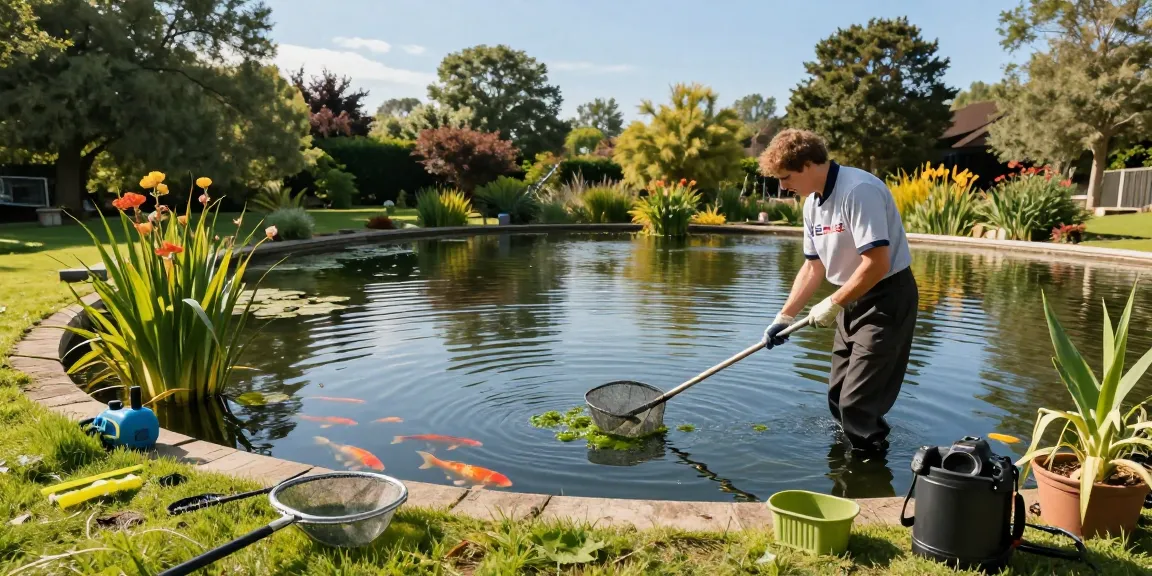
- Remove Debris: Use nets and skimmers to eliminate leaves, twigs, and other organic matter.
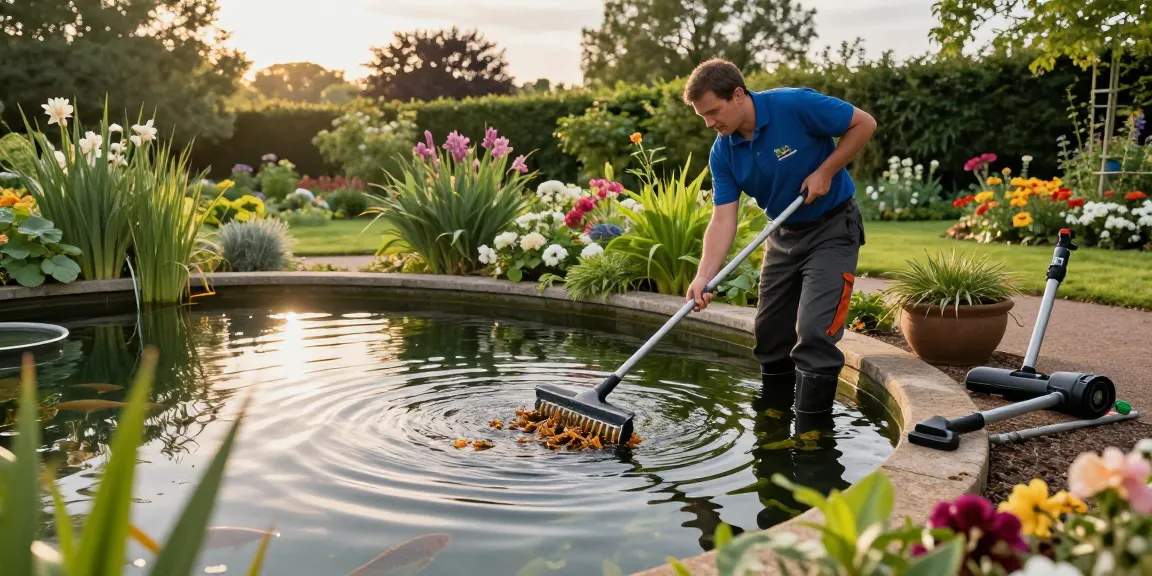
- Clean the Walls: Use a brush to scrub algae and dirt from the sides.
- Inspect Equipment: Check filters and pumps for functionality; clean or replace as needed.
- Refill the Pond: Gradually add fresh water to return the pond to its normal level.
Seasonal Considerations for Pond Maintenance
Seasonality plays a crucial role in pond maintenance. It’s generally advisable to perform major cleanings in the spring or fall, aligning with the natural cycles of pond life. During these times, aquatic plants and animals are more resilient, making it easier to manage disturbances caused by cleaning.
Choosing the Right Pond Cleaning Service
Selecting a professional pond cleaning service requires careful consideration of several factors to ensure a good fit for your needs.
Qualities to Look for in a Pond Care Professional
When evaluating potential pond care professionals, keep an eye out for these qualities:
- Experience: Look for providers with a proven track record in pond maintenance and cleaning.
- Certifications: Verify any relevant qualifications or licenses that ensure quality standards.
- Insurance: Ensure the service provider is insured to protect against damages during cleaning.
- Customer Service: A responsive and professional approach reflects their commitment to quality care.
Reviewing Customer Feedback and Testimonials
Reading existing customer feedback is a great way to gauge the quality of service. Look for reviews that highlight reliability, quality of work, and customer satisfaction. Positive testimonials can provide assurance that you are selecting a reputable service provider.
Comparing Services and Pricing in Essex
Finally, take the time to compare different pond cleaning services in Essex. Request quotes, ask about specific services offered, and compare the depth of their solutions. This diligence can help ensure you receive the best combination of quality and value for your pond care needs.
Future Trends in Pond Cleaning for 2026
The pond cleaning industry is evolving, influenced by advancements in technology and growing environmental awareness. Staying informed about these trends can aid pond owners in making proactive choices to enhance their pond ecosystems.
Innovative Techniques and Technologies
Emerging technologies, such as automated cleaning systems and advanced water filtration devices, are reshaping the landscape of pond maintenance. These innovations promise to simplify the cleaning process while enhancing the efficiency and effectiveness of care routines.
Environmental Considerations in Pond Care
There is a growing emphasis on environmentally friendly practices within the pond maintenance community. This includes using biodegradable cleaning agents and methods that minimize disruption to local wildlife. Committing to sustainable practices can lead to healthier and more resilient pond ecosystems.
The Importance of Sustainable Practices
As awareness of environmental impact increases, sustainable practices in pond cleaning will become essential. Emphasizing chemical-free cleaning methods and promoting biodiversity can help preserve local habitats and minimize negative environmental effects.
What are the Best Times to Clean Your Pond?
The best times for pond cleaning are typically at the start of spring and the end of fall. Cleaning during these periods helps reset the pond’s ecosystem, allowing for healthier growth as temperatures fluctuate.
How Often Should a Pond be Cleaned for Optimal Health?
Generally, ponds should be cleaned at least once a year. However, depending on the size and conditions of the pond, more frequent cleaning may be beneficial. Observing the water quality and plant growth can help determine when additional cleaning is necessary.
Understanding Pond Maintenance Myths
Many myths surround pond maintenance. One common misconception is that ponds should be crystal clear at all times. In reality, a certain level of algae and natural sediment is often beneficial for the ecological balance. Understanding these myths can help pond owners adopt realistic expectations and practices.