Understanding Organic CBD Oil
What is Organic CBD Oil?
Organic CBD oil is a potent extract derived from the hemp plant, particularly from strains cultivated for their high cannabidiol (CBD) content. Unlike its counterpart THC, CBD does not induce psychoactive effects, making it a popular choice for those seeking therapeutic benefits without a "high." Organic CBD oil is produced using hemp grown without pesticides, herbicides, or synthetic fertilizers, ensuring a product that is both pure and environmentally friendly. As consumers become more health-conscious, Organic CBD oil has gained considerable attention for its potential wellness benefits.
Source and Extraction Methods
The quality of organic CBD oil largely hinges on its source and extraction methods. Typically, organic CBD is sourced from hemp plants cultivated in nutrient-rich soil, emphasizing biodiversity and sustainability. The extraction process is equally crucial; methods such as CO2 extraction preserve the integrity of the cannabinoid profile, ensuring that the resulting oil is both concentrated and free from harmful contaminants. Cold-pressed extraction, while less common, retains the natural flavor and composition of the oil, appealing to those who prefer a more holistic approach.
Regulatory Standards and Certification
Organic CBD oil must adhere to specific regulatory standards to ensure its purity and efficacy. Certifications from recognized agricultural bodies indicate that the product meets stringent organic farming practices. The USDA Organic certification is a prime example, requiring that no synthetic additives or genetically modified organisms (GMOs) be present. Moreover, brands often pursue third-party lab testing, which guarantees that the oil contains the advertised levels of CBD and is free from heavy metals, pesticides, and other contaminants.
Health Benefits of Organic CBD Oil
Relief from Anxiety and Stress
One of the most researched benefits of organic CBD oil is its potential to alleviate anxiety and stress. Studies have shown that CBD interacts with serotonin receptors in the brain, which play a crucial role in mood regulation. This interaction can help reduce feelings of anxiety, promoting relaxation and emotional balance. Regular use may assist individuals suffering from generalized anxiety disorder (GAD), post-traumatic stress disorder (PTSD), and other anxiety-related conditions.
Potential Pain Management Solutions
Chronic pain affects millions of individuals, and organic CBD oil has emerged as a viable alternative to traditional pain relief methods. Its anti-inflammatory properties can help mitigate conditions like arthritis, fibromyalgia, and even migraines. Users report positive outcomes when using organic CBD oil for pain management, often noting a reduction in discomfort without the side effects associated with over-the-counter medications. Furthermore, its ability to interact with the endocannabinoid system can aid in modulating pain perception, enhancing overall quality of life.
Enhancing Sleep Quality and Wellness
Sleep is an essential component of overall health, and organic CBD oil may help improve sleep quality for many individuals. Research suggests that CBD may influence sleep by addressing underlying issues such as anxiety and pain, which can disrupt restful slumber. Users have reported positive impacts on sleep duration and quality, making organic CBD oil an appealing natural remedy for insomnia and other sleep disorders.
Choosing Quality Organic CBD Oil
Identifying Authentic Organic Products
With the burgeoning CBD market comes the challenge of distinguishing authentic organic products from inferior counterparts. Look for products that display organic certification labels, which indicate compliance with strict agricultural standards. Additionally, research the brand's sourcing practices; reputable companies often provide transparency about their hemp sources and extraction methods. Enhanced traceability can frequently signal higher product integrity.
Reading Labels and Certifications
Understanding labels on CBD products is critical when making informed purchasing decisions. Authentic organic CBD oil products should clearly state their CBD content, extraction method, and any accompanying certifications. Pay attention to the ingredient list, ensuring that the product is free from artificial additives and preservatives. Specialized terms like "full-spectrum" or "broad-spectrum" indicate the presence of additional cannabinoids and terpenes, often enhancing the therapeutic effect.
Evaluating Third-Party Testing
Third-party testing is a cornerstone of quality assurance in the CBD industry. Independent labs evaluate products to verify cannabinoid content and screening for contaminants. Look for certificates of analysis (COA) that detail both the active ingredients and any harmful substances. Reputable brands will readily share these reports, reinforcing trust and transparency with their consumers.
How to Use Organic CBD Oil
Different Consumption Methods Explained
Organic CBD oil offers various consumption methods to suit individual preferences. The most common methods include:
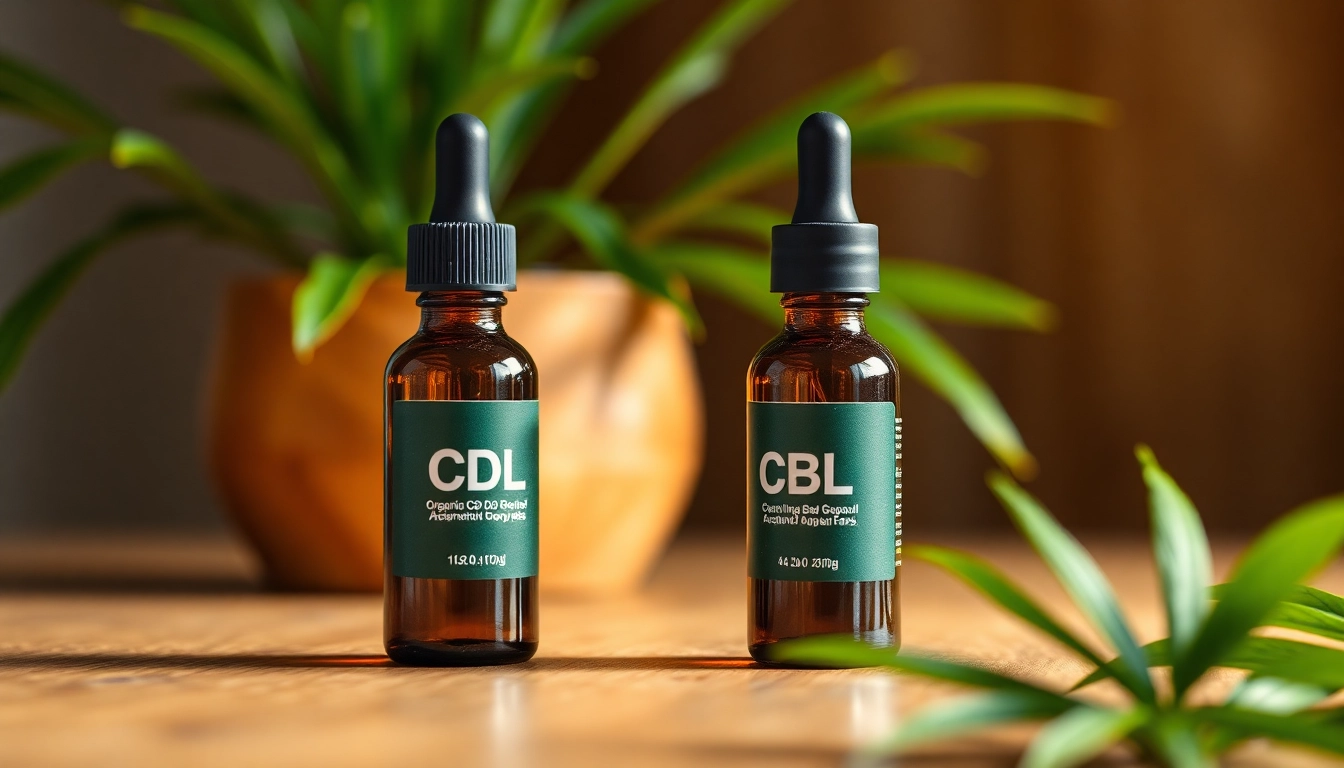
- Oral Drops: Placing drops under the tongue allows for rapid absorption directly into the bloodstream.
- Capsules: Pre-dosed capsules provide a convenient way to consume CBD, though they may take longer to feel the effects.
- Topicals: Creams and balms containing CBD can be applied directly to the skin, targeting localized pain and inflammation.
- Gummies: Flavored CBD gummies offer a tasty alternative, combining the benefits of organic CBD with easy consumption.
Dosage Guidelines for Beginners
Determining the right dosage of organic CBD oil can be challenging for beginners. It is generally recommended to start with a low dose—typically 5-10 mg per day—and gradually increase based on individual response. Monitoring effects and adjusting dosage every few days is vital to find an effective level. Consulting with a healthcare professional can provide personalized guidance and enhance safety.
Best Practices for Integration into Daily Routine
Incorporating organic CBD oil into your daily routine can enhance wellness significantly. Choose a consistent time each day for consumption, whether it be morning or evening. Consider integrating CBD with your existing health practices, such as yoga or meditation, to maximize benefits. Maintaining a journal to track effects and dosage can aid in refining usage and recognizing optimal routines.
Addressing Common Concerns About Organic CBD Oil
Is Organic CBD Oil Safe for Everyone?
While organic CBD oil is generally regarded as safe for many individuals, specific populations should exercise caution. Pregnant or nursing women, those with liver conditions, or individuals taking certain medications may experience adverse interactions. Consulting with a healthcare provider is strongly recommended before incorporating CBD into one’s routine.
Possible Side Effects and Interactions
Organic CBD oil is usually well-tolerated, but potential side effects include dry mouth, fatigue, changes in appetite, and diarrhea. Moreover, it may interact with medications such as blood thinners and anti-seizure drugs. Users should always discuss any existing medical conditions or medications with their physician before starting CBD to minimize risks.
Legal Status and Availability
The legal status of organic CBD oil varies significantly across jurisdictions. In many regions, CBD derived from hemp with less than 0.3% THC is legal, but regulations are subject to change. It is crucial to verify local laws and source products from reputable suppliers that comply with legal standards to ensure quality and legality.
FAQs About Organic CBD Oil
1. Is Organic CBD Oil non-psychoactive?
Yes, organic CBD oil does not produce psychoactive effects as it contains minimal THC, typically less than 0.3%.
2. How long does it take for organic CBD oil to work?
The onset of effects can vary; sublingual methods may take 15-30 minutes, while edibles may take 1-2 hours.
3. Can organic CBD oil help with chronic pain?
Many users report relief from chronic pain conditions when using organic CBD oil, benefiting from its anti-inflammatory properties.
4. Are there any side effects associated with organic CBD oil?
Possible side effects can include dry mouth, fatigue, and changes in appetite, but they are generally mild.
5. Is organic CBD oil safe for pets?
Consulting a veterinarian is essential before administering organic CBD oil to pets, as they have specific needs and dosages.